Tooth extraction in Kettering
Gentle, local anaesthetic for comfortable treatment
Experienced team providing personalised care
Clear aftercare guidance for a smooth recovery
Tooth extraction at a glance
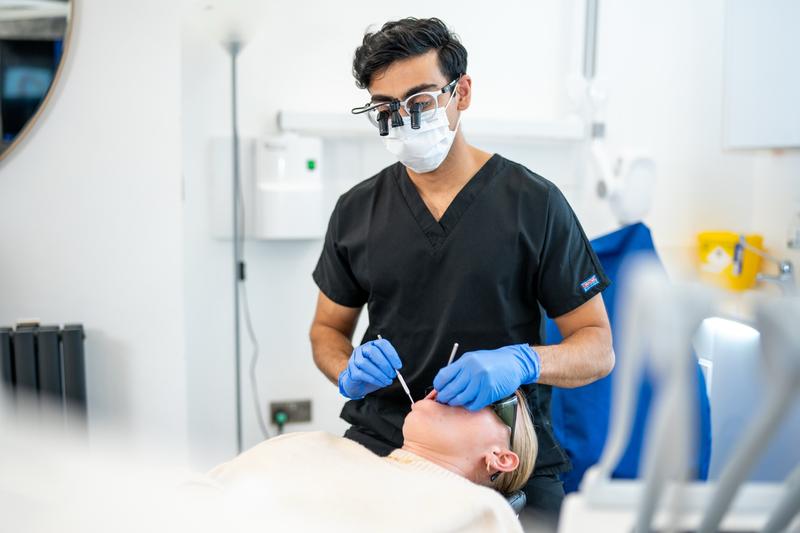
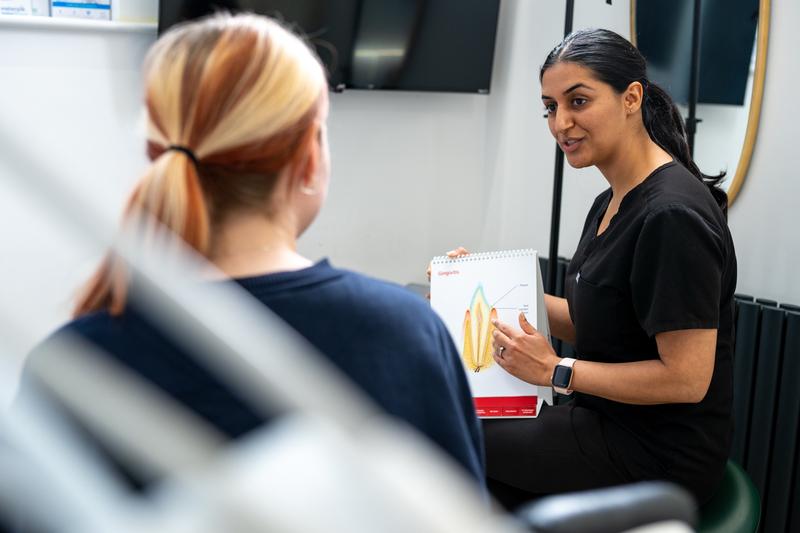

A tooth extraction is a routine dental procedure where the tooth and root are completely removed from the mouth under local anaesthetic.
When some of the tooth is visible above the gum line, your dentist will loosen the tooth in its socket before extracting it. For teeth below the gum such as broken or wisdom teeth, your dentist will make a small incision in the gum in order to access the tooth.
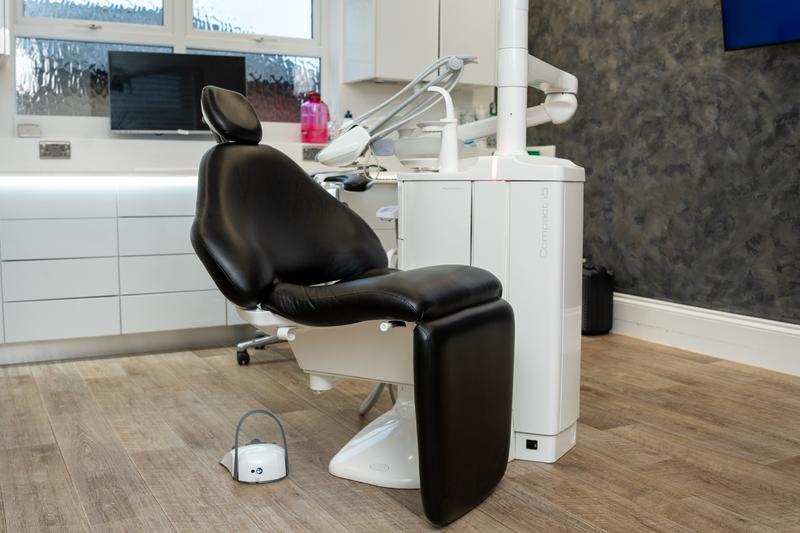
There are several reasons your dentist might suggest removing a tooth. It could be due to severe decay, infection, gum disease, or damage that can’t be repaired.
In other cases, teeth may need to be removed to make space, such as with impacted wisdom teeth or before orthodontic treatment. Whatever the reason, your dentist will explain everything and ensure it’s the best option for your overall oral health.
Can you help me if I’m a nervous patient?
Compassionate care when you need it most
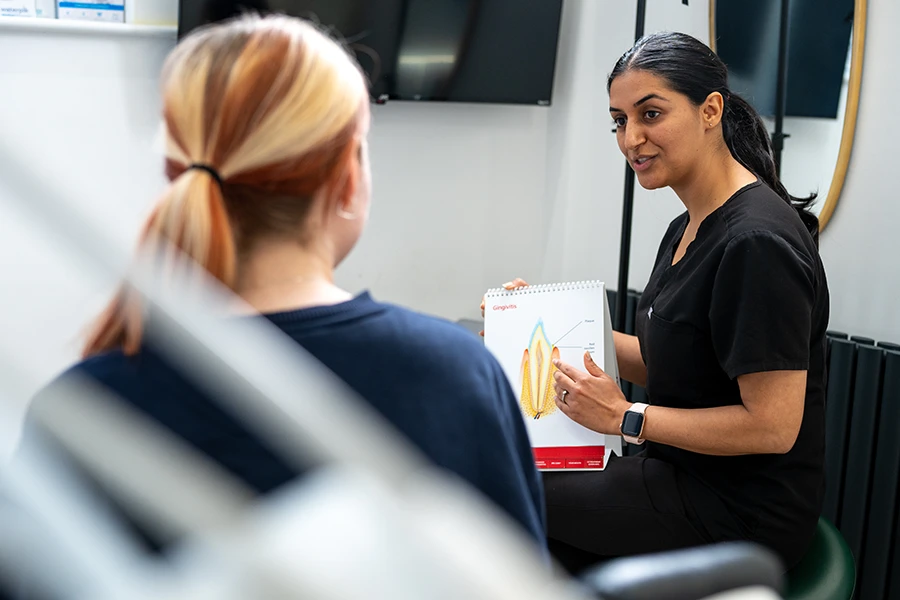
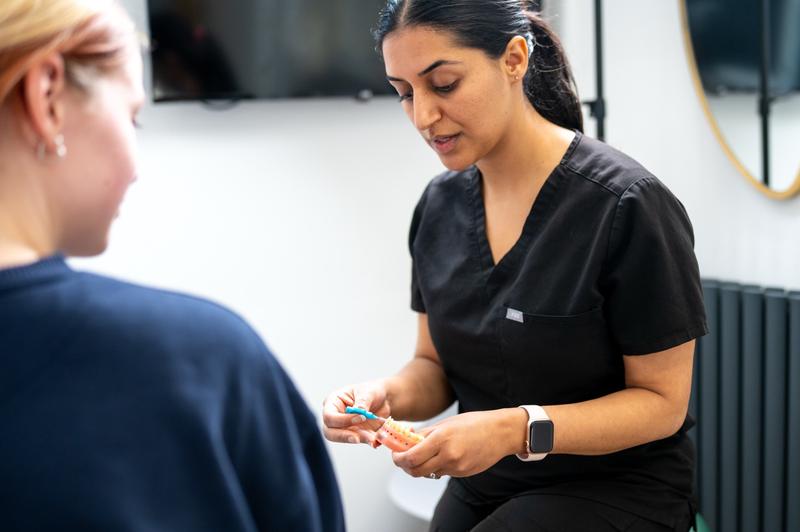
We understand that having a tooth extraction can feel overwhelming, especially if you’re anxious about dental treatment. That’s why at Kettering Dental & Implant Centre, we focus on helping you feel relaxed and comfortable throughout the procedure. Our caring team will support you every step of the way, ensuring your experience is as calm as possible.
.png)
What happens after the extraction?
Caring for your mouth after a tooth extraction
After an extraction, your dentist will suture the gum to aid healing. A compress is usually applied and some temporary bleeding is normal. As the healing process begins, a blood clot should form at the extraction point. It is important not to dislodge the clot to avoid drying out the tooth socket.
Following an extraction, some patients may feel a little soreness once the anaesthetic wears off. In most cases, this only lasts a day or two. If required, swelling can be reduced by using an icepack for short periods of about 10 minutes at a time.
After an extraction, we recommend avoiding hot drinks, smoking, using mouthwash or brushing the extraction site.
Who will I meet during my tooth extraction treatment?
Meet our team
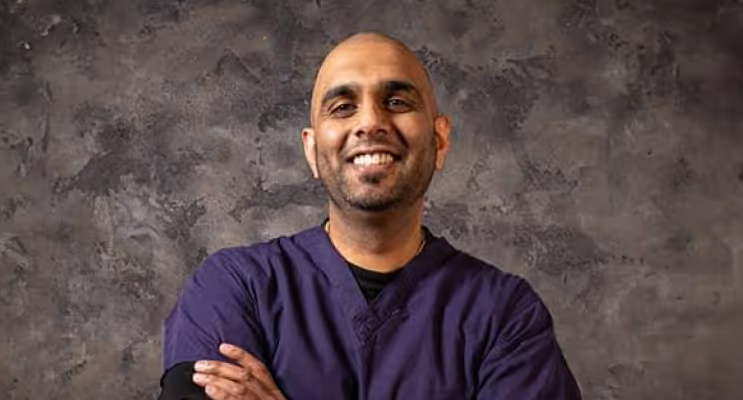
Our dentists and dental nurses have extensive experience with tooth extractions and work with care and compassion to make your treatment as comfortable as possible. We understand that extractions can cause anxiety, so we take the time to explain every step and support you through the process.


Book an appointment
How can I avoid the need for a tooth extraction?
Preventive care: look after your smile
At Kettering Dental & Implant Clinic, we believe prevention is better than cure. Maintaining good oral hygiene and regular dental check-ups can help avoid the need for extractions by catching problems early.
Simple steps such as brushing twice daily with fluoride toothpaste, flossing and reducing sugary food and drinks can protect your teeth from decay and damage. Our team is here to support you with advice tailored to your smile.


I need to see a dentist urgently, can you help?
Dental emergencies: we're here when you need us
Dental emergencies can be stressful, but immediate care can make a big difference. If you’re experiencing severe pain, swelling, or trauma to your teeth, please contact us as soon as possible.
Our team in Kettering will prioritise your emergency and provide prompt treatment, including extractions if necessary, to relieve pain and prevent further complications.

I have more questions before i book
Frequently asked questions about tooth extraction in Kettering
Is tooth extraction painful?
We use local anaesthetic to numb the area, so you won’t feel pain during the procedure. Some discomfort afterwards is normal but usually manageable with simple care.
How long does a tooth extraction take to heal?
Most people recover within 7 to 10 days, with the initial healing of the gum taking place quite quickly. However, it can take a few weeks to a few months for the underlying bone to fully heal. Following the aftercare advice your dentist provides - like avoiding certain foods, not smoking and keeping the area clean - will support a smooth recovery. We will provide you with aftercare advice following your treatment and are always here to answer your questions during the healing process.
Will I need tooth replacement after extraction?
In many cases, yes - especially if the missing tooth affects your ability to chew or impacts the look of your smile. Your dentist will talk you through your options, which may include a dental implant, bridge, or partial denture. Replacing a missing tooth can help maintain bite alignment and prevent surrounding teeth from shifting.
Can I eat normally after extraction?
It’s best to stick to soft foods for the first few days. Avoid hot, spicy, crunchy,or chewy foods that might irritate the area or dislodge the healing clot. As healing progresses, you can gradually return to your normal diet - your dentist will advise you based on your specific recovery.
How soon can I brush my teeth after extraction?
Avoid brushing the extraction site for the first 24 hours to protect the blood clot. After that, gently clean the area as advised by your dentist.

How do i book?
Ready to book your appointment?
If you think you may need a tooth extraction or want advice about your dental health, please get in touch. We’re here to help you every step of the way.